Sustainability has become an increasingly important consideration for restaurants—not just because of its environmental impact, but because it can help reduce waste, lower operating costs and meet growing customer expectations.
At Billy Tannery, sustainability is at the heart of everything we do. The leather we use is a by-product of the food industry, which has led us to work closely with chefs, restaurants and hospitality businesses looking to make more considered choices throughout their operations.
While there is no single solution, there are plenty of practical ways to make a restaurant more sustainable. Here are some of the changes that can have the biggest impact.

The quickest ways to make a restaurant more sustainable include:
- sourcing seasonal and local ingredients
- reducing food waste
- improving recycling and composting
- reducing water and energy use
- offering more plant-based dishes
- supporting local suppliers
- choosing durable products designed to last
Why improving sustainability is important for restaurants
Becoming a more sustainable restaurant isn't just about reducing environmental impact. Many sustainable practices also lower operating costs, reduce waste and appeal to increasingly environmentally conscious diners.
Over the years, we’ve been proud to work with many of the UK’s top chefs and restaurants. One of the most inspiring restaurants we've worked with is SILO, the UK's first zero-waste restaurant. Chef Douglas McMaster approached us to create durable leather aprons that didn't require machine washing, helping reduce water and energy use while standing up to the demands of a busy professional kitchen.
Working with restaurants like SILO has reinforced our belief that sustainability isn't one big change - it's hundreds of thoughtful decisions made every day.
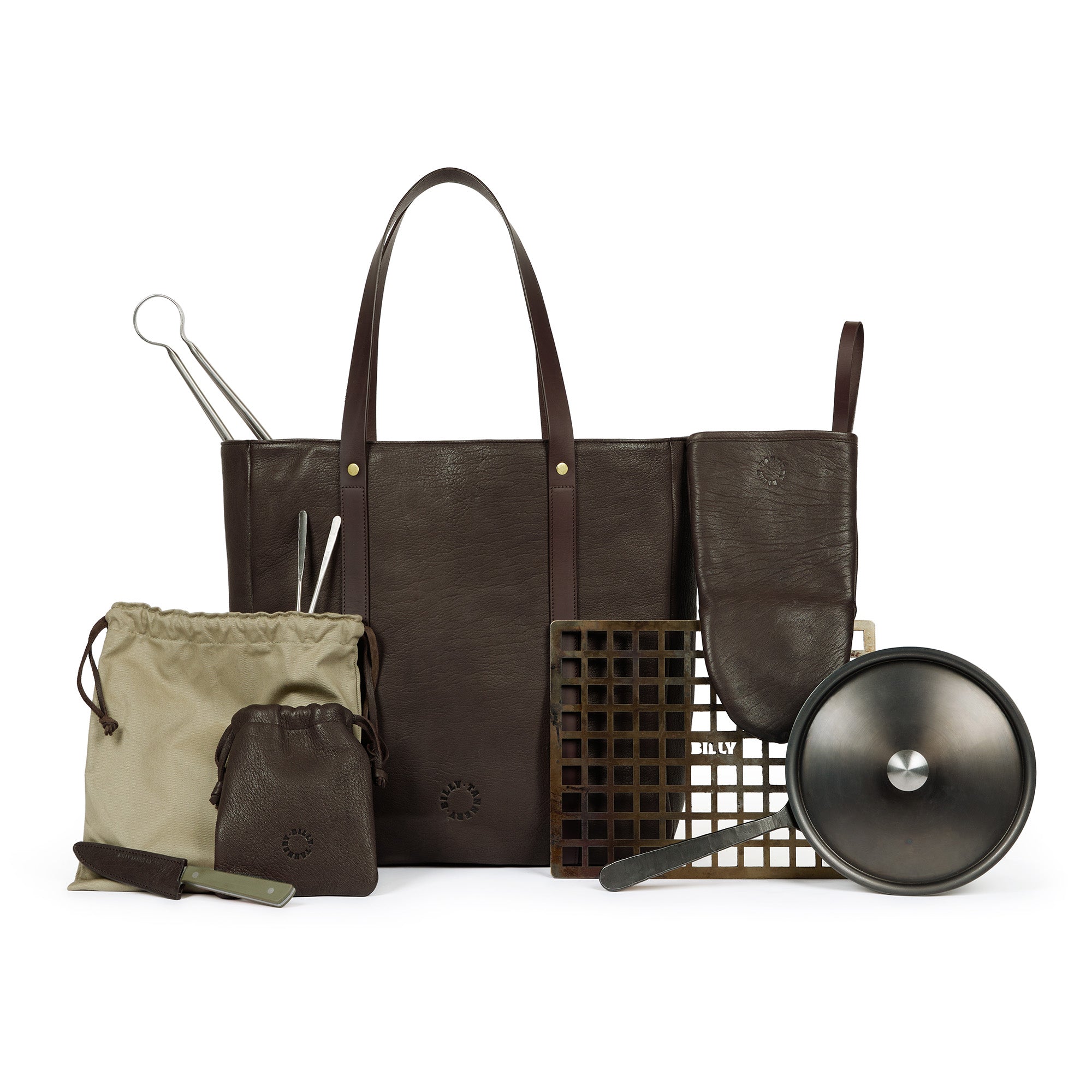
It got us thinking about sustainability at every link of the chain, and how we play a part in that. As our leathers are fully traceable and sourced from the food industry, it gives us genuine pleasure to create products for the food industry! Our Billy Tannery's restaurant products, such as menu covers, leather chef’s aprons, bill presenters and coasters, can be found in restaurants who share our passion for quality, sustainable goods.
How can restaurants be more sustainable?
1. Have a seasonal menu
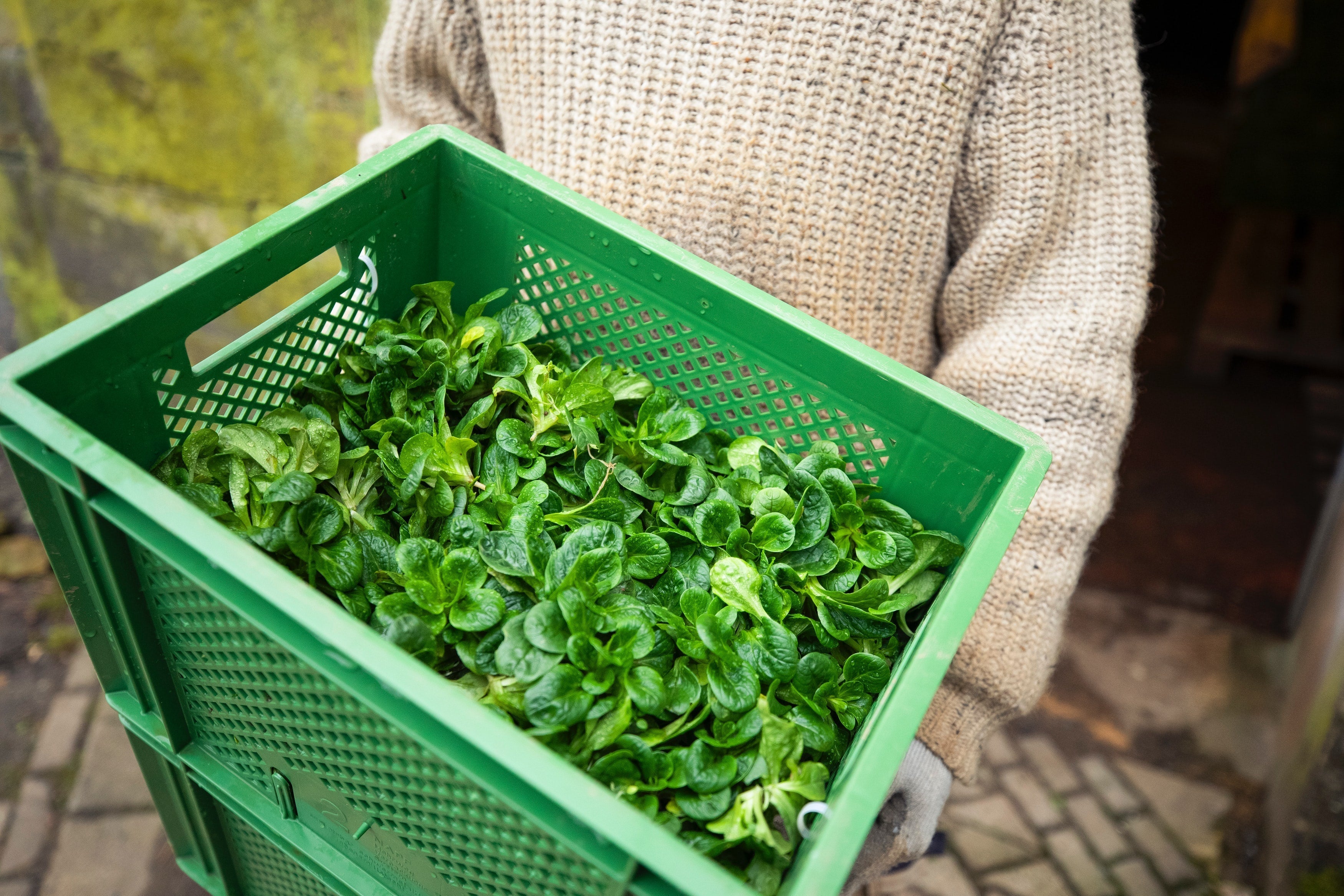
A seasonal menu allows you to focus on the ingredients that are most available at any given time of year, helping to support local producers. Rotating your menu through the seasons is perhaps one of the most obvious options to improve sustainability, and one of the most delicious. Look at your menu and see where you can use local seasonal produce that is not only better for the planet but is perfectly ripe, fresher and rich in nutrition.
2. Limit food waste
Reducing food waste is a huge part of every restaurant or food industry establishment. Composting not only reduces food waste, but when used correctly and safely, can even improve soil quality.
It’s surprising how much of an ingredient you can actually use - particularly that of vegetables and fruits. From peel, to stalks, to seeds, there are plenty of ways to get creative and reduce waste.
3. Recycle or reuse
Some packaging is hard to avoid, so look for suppliers that use compostable, biodegradable or recyclable packaging. Suppliers that offer refillable products are ideal, as well as reusable containers.
For the things you can't reuse or recycle, consider donations. If there is quality food or other unused product going to waste, perhaps investigate if there’s a foodbank charity or shelter nearby that you can connect with. 
4. Reduce water usage
Restaurants use a lot of water, from dishwashing to food prep. Simple changes—like installing low-flow taps, only running dishwashers when full, or collecting rainwater for non-food use—can help conserve water without affecting daily operations. It’s also worth training staff on mindful water use during prep and cleaning.
5. Invest in better appliances
Old, inefficient appliances can guzzle more energy than you think. Investing in newer, energy-efficient models for everything from fridges to ovens and induction cooking can seriously cut your carbon footprint—and your bills. Look for appliances with good energy ratings and smart features that help you track and reduce consumption.
6. Grow your own produce
If you have a bit of space out back, or spare windowsill, it’s worth investigating if there's scope for you to grow some fresh ingredients on or nearby the restaurant. This might be anything from a small herb garden to a full patch of vegetables and fruits.
A major advantage here is cost, but you can also control the amount of chemicals and pesticides involved in the production of your ingredients. You can even use your own compost created from your kitchen’s food waste; a full circle solution to improving sustainability.
7. Prioritise plant-based dishes
Incorporating more plant-based dishes on your menu is a simple yet effective way to reduce your environmental impact. Meat and dairy production use more land, water and energy than plant-based alternatives, so even a small shift can make a difference.
That doesn’t mean going fully vegan—Even expanding your range of well-considered plant-based dishes can help reduce environmental impact while giving diners greater choice.
8. Create a sustainable drinks list
It’s not just your food menu that counts. Look at where your wine, spirits and soft drinks are coming from. Could you swap to organic wines or stock local craft producers and support nearby breweries? Consider drinks with sustainable credentials, and think about how you serve them too—reusable straws, recyclable garnishes and minimal packaging all help keep things planet-friendly.
9. Support independent businesses and local producers
Working with local farmers means fresher produce (as it gets to you quicker) and less travel which reduces the pollution on the roads and in the skies.
The same principle applies beyond food. Working with local craftspeople, designers and manufacturers helps support regional businesses while often reducing transport emissions.
It also enables you to form strong links with the local community. By shopping locally and supporting independent businesses, you’re hopefully finding people who are as passionate about what they do as you are.
Great quality ingredients will always shine. We believe in that, from the food we eat to the products we make. More consumers are making conscious decisions about what they buy, and knowing more about where their products come from. So it’ll impress your customers too.
10. Choose products built to last
Water, waste, electricity, takeaway packaging – all these things contribute to making a restaurant more sustainable. Even your decor; your table, seating and carefully-sourced soft furnishings can all reflect the ethos of the restaurant.
So don’t forget the little touches. High quality and hard-wearing extras, such as our aprons, menu covers and bill presenters will work as hard as you do, and are sure to be appreciated by staff and customers alike. Discover more sustainable restaurant accessories.

11. Go paperless where you can
Switching to digital systems can help cut down on paper use in both front and back of house. Think digital receipts, QR code menus, and paperless inventory or ordering systems. Not only does this reduce waste, but it also keeps things more streamlined and efficient. It’s a small change that adds up over time.
12. Use eco-friendly cleaning products
Many traditional cleaning products are harsh on the environment and come in single-use plastic packaging. Swapping to eco-friendly alternatives—think biodegradable, non-toxic formulas in refillable bottles—can make a big difference. They’re safer for your team, gentler on the planet, and just as effective.
Creating a more sustainable restaurant doesn't happen overnight, but small, consistent improvements can make a significant difference over time. Whether it's reducing food waste, supporting local suppliers or investing in products designed to last, every decision contributes to a more resilient business.
And we’re here to help! At Billy Tannery, we work with restaurants and hospitality brands to create bespoke leather aprons, menu covers, bill presenters and other accessories using traceable goat and deer leather sourced as a by-product of the food industry. If you're looking to make your restaurant more sustainable without compromising on quality, we'd love to help.
Contact us to see how we can customise our existing range of leather goods or create an entirely bespoke product just for you.
Blog posts