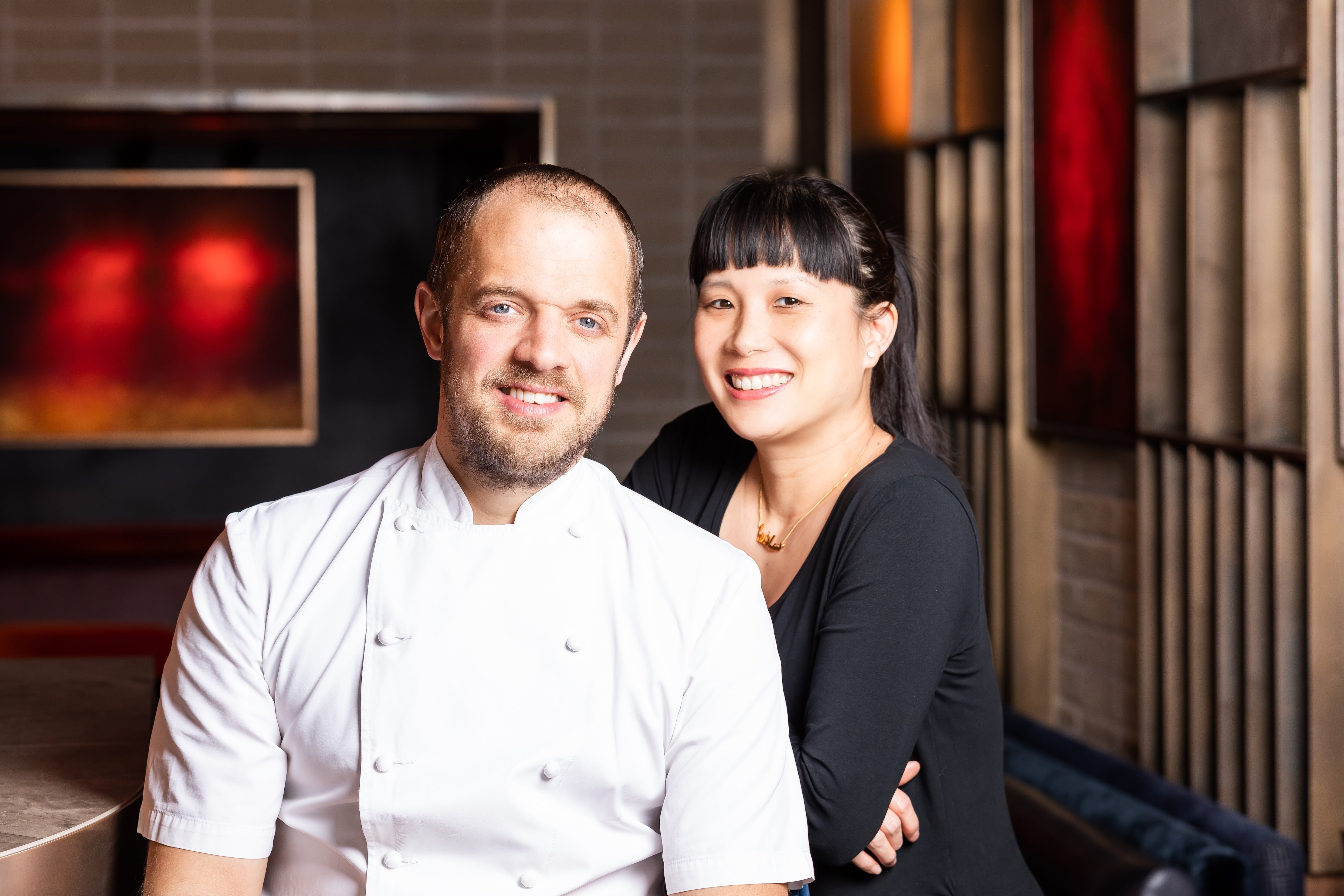
We are fortunate that our bespoke hospitality work allows us to spend time with some of the best chefs in the country. James Knappett, Chef Patron and Co-Founder at two Michelin starred Kitchen Table is certainly one of those.
We sat down with James to talk about how his philosophy mirrors our own, the thought he puts into the entire dining experience and which ingredients British diners are sleeping on.
Tell us a bit more about the philosophy behind Kitchen Table, how would you describe the ambition of your menus?
My food and menu at Kitchen Table have always been inspired and dictated by the British seasons. We have a daily changing menu because we want people such as our farmers, butchers, and fishermen to tell us and inspire us on what we should be cooking.
You're a keen forager, how has your connection to the British countryside and ingredients developed over time?
I grew up in the British countryside so my connection with it has always been there. I love Britain, our culture, our land and all the ingredients that we so wonderfully produce. My foraging interest and knowledge were sparked during my time working at Noma. When I returned home, I used the experience I learned and applied it to our own land. And in Britain, we have so many diverse terroirs that produce so many different things from Cornwall to Scotland.
At Kitchen Table, the experience is incredibly intimate, with guests seated at the counter. Beyond what is on the plate, how do you think about the other details that affect the dining experience? The lighting or the table setting for example, what is the thought process behind deciding these?
Every little detail matters to us. We designed the chairs knowing that guests will be sitting in them for long periods of time due to a tasting menu. We place the spot lights above each guest so that we can manoeuvre them to shine directly on their place setting. Every drawer, every shelf and every fridge are all placed with the thought of not only for the efficiency of the kitchen but also from the guests’ point of view. We have induction stoves in Kitchen Table. This is because we not only wanted the kitchen to look slick and clean, but induction lowers the kitchen temperature and requires less extraction, producing less noise since the guests are sitting in our kitchen.
A busy restaurant environment is notoriously unforgiving on materials. Apart from your knives, what is your most cherished physical object in the restaurant that has beautifully withstood the test of time and heavy daily use?
The piece of marble that sits on our pass. It's been with us since the day we opened in 2012. It is not only a centre piece of the restaurant but to imagine the number of plates that it has seen in the last 14 years is pretty cool and incredible.

Prior to Kitchen Table you worked at some of the world's best restaurants. If you could invite any chef, past or present, peer or mentor to your restaurant to experience what you're doing with British ingredients, who would it be and why?
It would have to be Nigel Slater. He has always been my biggest inspiration when it comes to British food and British seasonality. I often listen to Nigel talk about the seasons and the way he presents the mood and the food that goes along with it is pretty inspiring. I would love for him to be able to experience my way of representing British seasons.
 Is there a British artisan independent maker, or local supplier right now whose work you think more people need to discover?
Not specifically a producer but I think Fenland celery is something that has been overlooked. In East Anglia, where we call fen lands has one of the richest and most fertile soil types: a deep dark peat soil that is super rich in carbon and retains incredible moisture. And our humble celery grows the best there. People should eat more Fenland celery.
And finally
Follow James on Instagram @jknappett
Follow Kitchen Table @kitchentable1
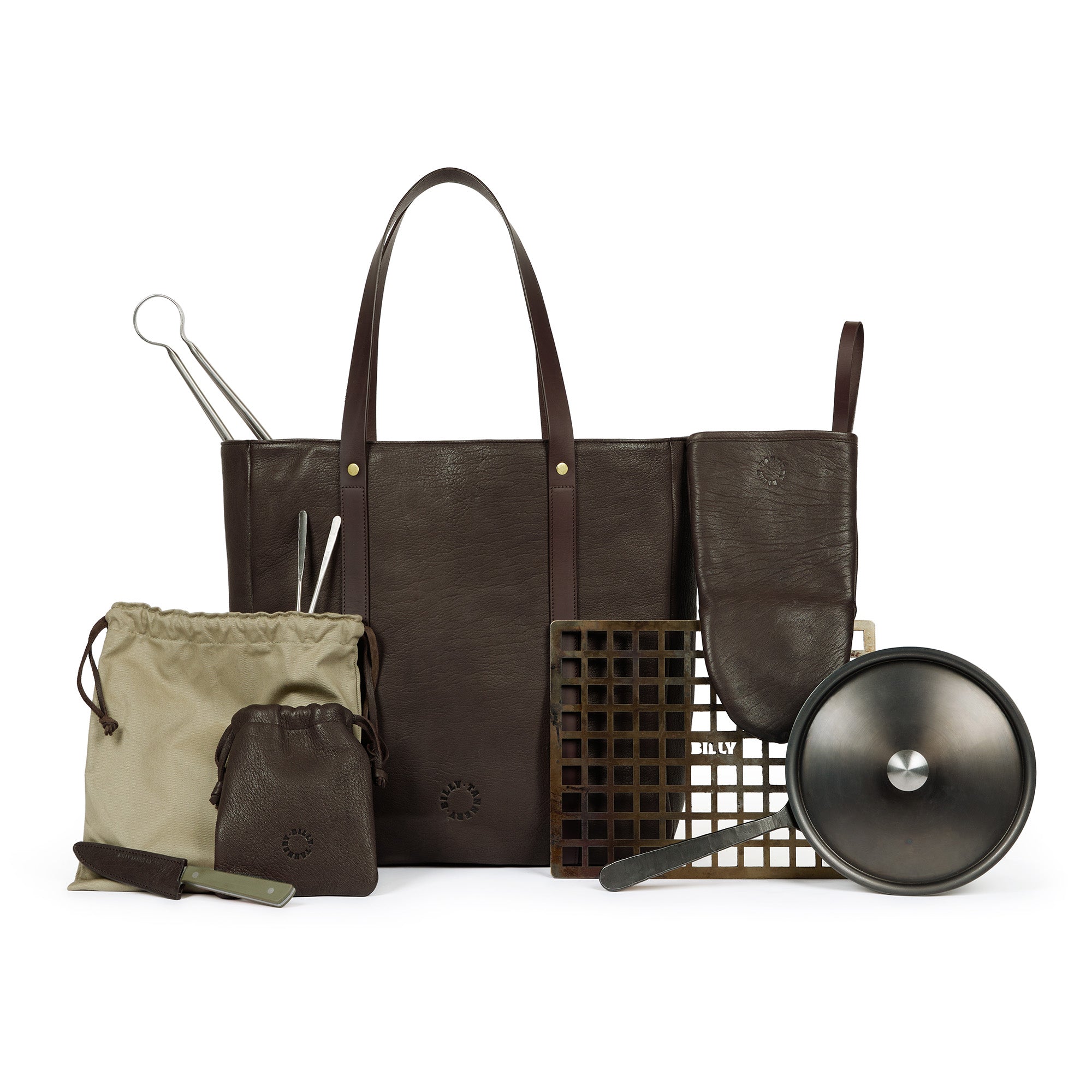
Learn more about Billy Tannery's bespoke leather goods for hospitality and beyond here
Blog posts