Top Sustainable Fashion Accessories for 2024
Ready to refresh your look without trashing the planet? 2024 is the year sustainable style goes from niche to normal, and your accessory drawer is the easiest place to start. From recycled metal hoops to plant based leather belts, the most exciting finds are hiding in your favorite fashion accessories stores, both online and local.
In this list, we will highlight top sustainable fashion accessories to buy now. You will learn what makes each pick planet friendly, the materials to look for, brands that walk the talk, and price ranges that fit real budgets. We will cover bags, jewelry, sunglasses, watches, scarves, and more. Expect quick pros and cons, styling ideas, and simple care tips that extend the life of your pieces. You will also get a cheat sheet on certifications, like GOTS and Fair Trade, and how to spot greenwashing in product pages.
Whether you are building a capsule wardrobe or just want one statement piece, this guide will help you shop smarter, look sharp, and feel good about every accessory you add.
Why Sustainable Accessories Matter
1) Fashion’s footprint is too big to ignore
Fast fashion has turbocharged overproduction, so accessories are not innocent bystanders. The industry is linked to sizeable carbon and water impacts, with a notable share of global emissions and wastewater tied to textiles and dyeing, which should make anyone rethink impulse buys at fashion accessories stores. For context, analysts highlight fashion’s hefty environmental cost, including fashion’s share of emissions and wastewater. Water alone is eye opening, with the water use in a single T-shirt often cited at thousands of litres. The takeaway is simple, buy fewer, better accessories, then care for them so they last.
2) Circular economy thinking turns waste into resources
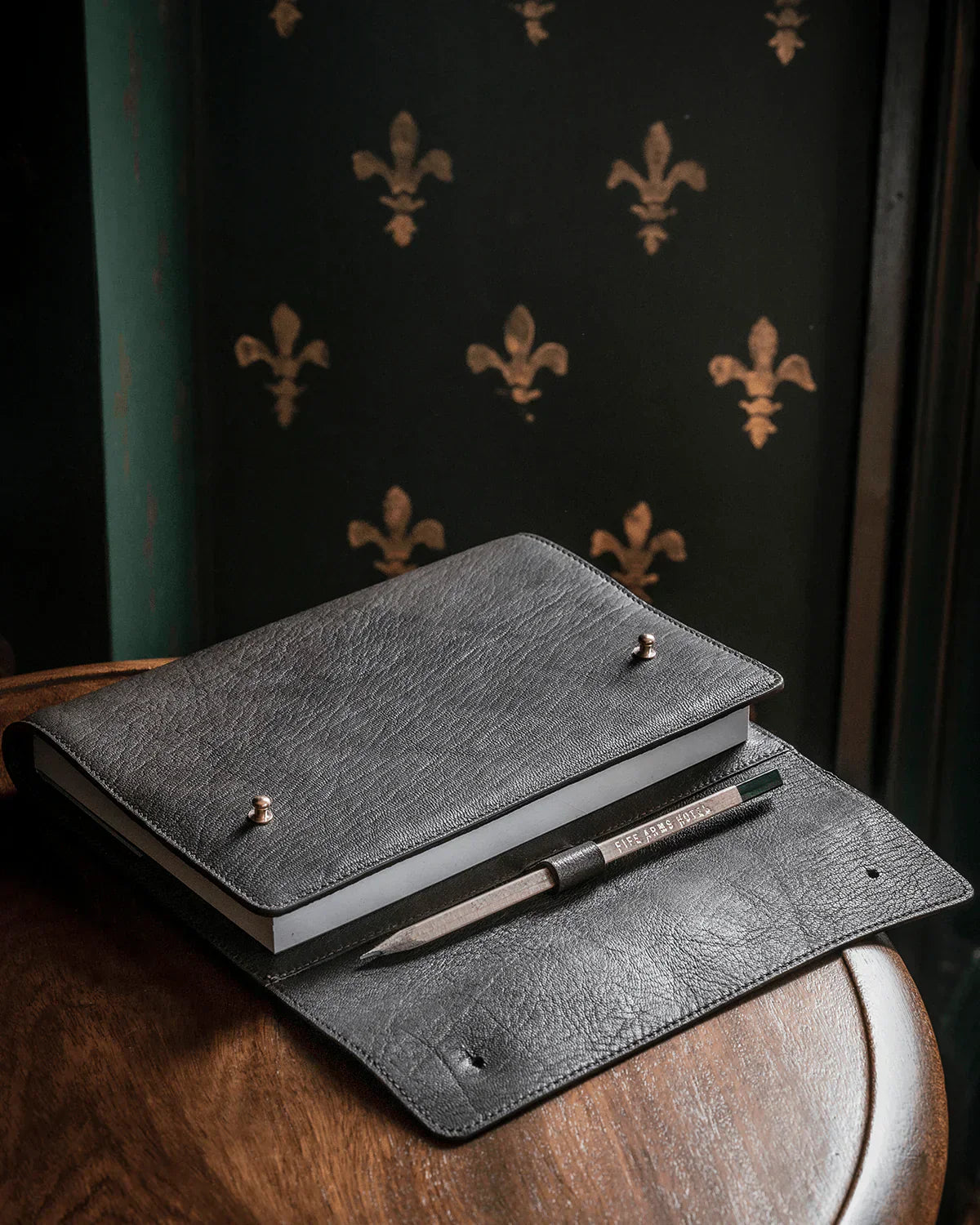
A circular economy keeps products and materials in use, which suits accessories perfectly. Look for pieces designed for longevity with replaceable hardware, repair options and materials that can be reconditioned. Billy Tannery’s micro-tannery model shows how circularity can work in practice, turning underused British goat and deer hides into vegetable-tanned leather, then keeping everything local through a British supply chain. This approach not only reduces transport and tanning impacts, it also produces leather that develops a rich patina rather than wearing out. When shopping, ask stores about take-back schemes, spare parts and whether stitching or edges can be renewed after years of use.
3) Sustainable luxury now matches what eco-conscious buyers value
Luxury and sustainability are no longer at odds, they are increasingly the same thing. Eco-conscious customers want provenance, responsible materials and honest manufacturing as much as they want beautiful design. That is why accessories made from vegetable-tanned leather with traceable farms, local tanning and small-batch manufacturing resonate, especially when the maker is a micro-tannery you can actually visit. Practical tip, prioritise brands that publish material origins, use natural finishes, and offer lifetime care or repairs. The result is a smarter purchase that looks better with age, aligns with your values and supports a cleaner future for the industry.
1. Craftsmanship at Billy Tannery
-
Microtannery craft with sustainability at its core Billy Tannery runs the UK's first microtannery, a small-scale setup on a Midlands farm that puts craft before volume. Working in small batches gives meticulous control of hides, colour and finish, so quality never plays second fiddle to throughput. The team vegetable-tans using bark extracts rather than chrome, then recycles around 90% of process water through on-site treatment. Even the kit has a story, with reclaimed wooden drums sourced from a Somerset tannery that closed in 2013. It is a neat example of Circular Economy thinking, where waste is minimised and materials, skills and energy are kept in use. That dedication was recognised in 2025 with the Environmental Sustainability Award from Heritage Crafts.
-
Locally sourced goat and deer, fully traceable Rather than importing anonymous skins, Billy Tannery uses goat and deer hides sourced in Britain that might otherwise go to waste. This keeps the British Supply Chain intact, from farm to tanning to manufacturing, and reduces transport miles. Goat leather brings a pronounced grain and high tensile strength for its weight, ideal for wallets, pouches and aprons. Deer is naturally supple and slightly velvety, perfect for soft accessories that still stand up to daily use. When browsing fashion accessories stores, ask about provenance, tanning method and finishing, because those details genuinely shape how a piece looks and lasts.
-
Patina that tells your story Vegetable-tanned leather develops a patina that is never off-the-shelf. Expect colour to deepen within three months, with a soft sheen arriving as natural oils from your hands absorb into the grain. After a year it looks unmistakably yours, with gentle creases forming at stress points and edges rounding with use. Help the process along by wiping with a barely damp cloth, then conditioning sparingly twice a year with a neutral balm. Store out of direct heat, rotate heavy-use pieces, and enjoy marks as character rather than flaws.
2. Sustainable Leather is Trending
1) Sustainable leather has moved centre stage
Shoppers are asking smarter questions, and the industry is finally catching up. After years of 52 micro seasons piling pressure on resources, the pendulum is swinging to quality, repairability and provenance. Sustainable leather now means traceable hides, vegetable-tanned processes and small-batch making that celebrates patina, not landfill. For fashion accessories stores, the winning move is to prioritise pieces with a clear British supply chain and materials that age beautifully rather than date quickly. Keep an eye on innovations and standards shaping 2026, because expectations around responsibility are rising fast, as outlined in Sustainable Fashion 2026: Innovations Shaping the Industry.
2) Recycled content and eco processes are becoming the norm
Circular economy thinking is now baked into accessories. Offcuts are being reworked into card holders and key fobs, linings are shifting to recycled fibres, and hardware increasingly comes from recycled metals. On the wet side, tanneries are cutting water use, cleaning effluent and avoiding heavy metals through vegetable tanning. Stores can ask suppliers for recycled content percentages, proof of closed-loop water systems, and documentation on bark-derived tanning extracts. For extra credibility, support brands that offer repairs, refurbs and take-back, all pillars of the circular approach highlighted in Sustainable Fashion Trends 2026: Circularity & Innovation.
3) Luxury is embracing sustainability without losing the magic
Top houses are investing in traceability tools, responsible raw materials and made-to-order models that reduce waste. Expect shorter, tighter drops, more transparent leather sourcing and lifetime care promises that keep products in use for decades. This aligns with the rise of sustainable luxury where proof of responsibility matters as much as design, a shift explored in The Future of Sustainable Luxury. For fashion accessories stores, the playbook is simple: stock fewer, better items, request life cycle data, and champion micro-tannery partnerships that can demonstrate farm-to-finish accountability. Customers feel the difference when craftsmanship, sustainability and story all pull in the same direction, which is exactly where the market is headed.
3. Reconnecting Fashion to Local Farms
-
Why a British supply chain matters for accessories A tight British supply chain cuts travel miles, trims carbon and makes provenance crystal clear. The industry is already moving in this direction, with a strong 2026 supply chain outlook pointing to sustainability and traceability as priority metrics. It is also a hedge against shocks, since relying on UK farms, tanneries and makers reduces exposure to global disruption, a point underlined by analysis of supply chain resilience as fashion’s strategic focus in 2025, see The Interline’s overview. Local production keeps skills alive and money circulating at home, with initiatives like the British Heritage Pavilion set to boost making capacity in 2026, as reported by FashionCapital. Actionable for fashion accessories stores: ask suppliers for farm-to-tannery paperwork, lead times, and a mileage estimate from raw hide to finished accessory. Use those details on product cards to justify pricing and build trust.
-
Billy Tannery reconnects fashion to farms, literally Working from a Midlands farm, Billy Tannery runs a microtannery that turns British goat and deer hides from the food industry into premium leather. Small-batch vegetable-tanned methods use bark extracts rather than chrome, and the process recycles around 90% of water, with spent bark and shavings heading to compost as part of a circular economy loop. The result is durable leather that develops a rich patina, plus full traceability across a British supply chain, from field to finishing. For buyers, that means dependable quality, shorter replenishment cycles and stories customers actually care about. Actionable: commission limited runs using traceable batches, request batch cards linking back to farm, and feature care guides that help customers nurture patina over years, not seasons.
-
Local materials make greener, smarter accessories Sourcing hides and making in the UK lowers transport emissions and gives sight of welfare standards and tanning inputs. It also trims waste, since small runs improve quality control and reduce dead stock, a tidy win for micro-sustainability. Accessories last longer when you start with robust British leather, cutting replacement rates and returns, which protects margin as well as the planet. Stores can turn provenance into a retail asset, adding QR codes that show the British supply chain, sharing behind-the-scenes microtannery content, and training staff to explain vegetable-tanned benefits. Actionable: run a “Know Your Leather” month with in-store workshops, repair pop-ups and a patina wall to showcase how good products age.
4. The Micro-Sustainability Movement
1) Small changes, big gains
Start tiny, think huge. Switching to vegetable-tanned leather avoids heavy metals and supports cleaner water streams, while small-batch drum work cuts rework and keeps quality tight. Swap solvent glues for water-based, choose recycled linings and optimise patterns to use more of each hide, and you trim waste without compromising finish. Offcut projects matter too. The fast-growing upcycled textile pouch market is set to hit USD 2.4 billion by 2035 at 6.3% CAGR, a clear sign that turning waste into resources is not niche. Keep it local where possible. A short British supply chain, farm to tanning to manufacturing, cuts transport emissions and makes provenance easy to share with customers.
2) Why eco practices matter now
Eco-friendly shifts are no longer a nice-to-have, they are commercial sense. The sustainable fashion market is forecast to grow from USD 10,092.9 million in 2025 to USD 24,921.3 million by 2035 at 9.46% CAGR, and accessories stores that move first will ride that demand. Practical wins include transparent material specs, lifecycle design, repair services and take-back pilots that feed a circular economy. For leather, prioritise vegetable-tanned inputs, traceable hides and British making to reduce miles and improve accountability. Measure what matters, set targets for water, energy and waste per item, then share progress with customers who value honest numbers over grand claims.
3) Your choices steer the change
Shoppers have serious clout. Choosing fewer, better pieces that patina beautifully pushes the market away from disposable drops and towards longevity. Ask where the leather comes from, how it was tanned and whether offcuts are used, then reward clear answers with your spend. Look for designs built for repair, with replaceable straps, rivets and hardware, and support stores that offer care guides and aftercare. The direction of travel is clear, with sustainability, functionality and style converging in accessories, as highlighted in this outlook on where the category is headed. When consumers back micro-tannery craft and a British supply chain, small decisions add up to big industry change.
5. Circular Economy: From Waste to Wearable Art
1) Billy Tannery’s circular blueprint
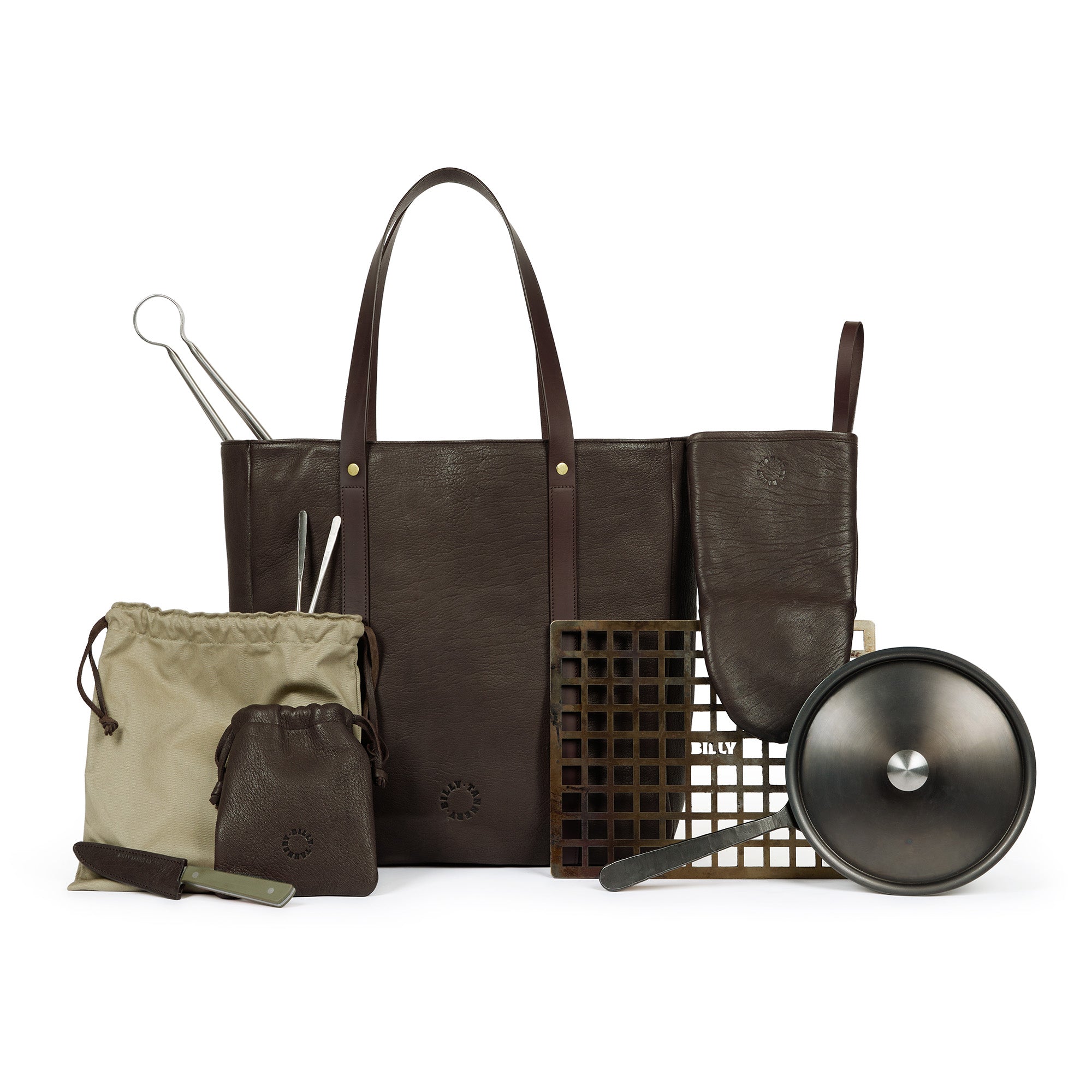
Billy Tannery runs a micro-tannery on a Midlands farm, giving discarded goatskins a second life. Sourcing a by-product of goat meat, then vegetable-tanned with mimosa bark, cuts waste and avoids heavy metals. Small-batch drums and a British supply chain lift traceability, keep miles down and create leather that develops handsome patina. Offcuts become key fobs, cord keepers and coasters, while bespoke menu covers and placemats prove circularity scales into hospitality. Explore how Billy Tannery turns rescued goatskins into leather goods to see circular economy principles in action.
2) Waste-to-resource ideas to borrow
Circular fashion thrives when waste becomes feedstock for accessories, not landfill. Recent shows have upcycled donated medical masks into dramatic textiles, a reminder that creativity loves constraints. Footwear take-back pilots grind worn pairs into separate leather, textile and foam streams, then feed them into bags or strap padding. In Dharavi, plastic weaving transforms discarded bags into durable totes and mats, delivering income alongside impact. With 52 micro seasons pumping out excess, these models show circularity can reduce waste without dulling design.
3) A quick action plan for fashion accessories stores
Here is a quick plan for fashion accessories stores. Start with a waste audit, then design for disassembly and mono-material components. Add QR-enabled Digital Product Passports summarising origin, care and end-of-life routes, customers value receipts for responsibility. Launch take-back and repair, even simple stitching, edge burnishing and re-waxing can add years. Stock closer to home via a British supply chain, order smaller runs and track upcycling as a store KPI. Host patina clinics with care kits and clear tutorials, help pieces age well rather than age out.
Conclusion: Embrace the Fashion of the Future
-
Sustainable accessories are the easiest way to shrink fashion’s footprint without sacrificing style. With the industry racing through 52 micro seasons, long-lasting pieces matter more than ever. Choose materials that are traceable, vegetable-tanned and made in small batches, then rotate them through outfits to maximise cost per wear. Swap a mass-produced wallet for one built to last and you cut waste, water use and returns. Small, consistent choices build real momentum.
-
When picking a brand, back one that proves sustainability through craft, not slogans, like Billy Tannery. This microtannery sits on a Midlands farm, runs a tight British supply chain and turns goat and deer by-products into beautiful leather, all vegetable-tanned for cleaner water. It is the first new UK tannery in decades and its small-batch approach fits a circular economy mindset. Expect rich patina, hospitality-grade durability and designs that earn their keep. Ask for batch details, care advice and repair options before you buy.
-
Make it a habit when browsing fashion accessories stores. Build a lean accessories capsule, say a belt, cardholder and tote that cover work and weekend, then set a simple one-in-one-out rule. Do a quick cost per wear check before checkout and favour pieces that improve with patina. Keep a soft brush and balm at home and schedule five minutes monthly for care so your gear lasts years. If in doubt, ask who farmed it, who tanned it and who made it.
Blog posts