The Impact of Sustainable Leather in Hospitality Design
What if the softest touch in your lobby could also be the smartest business decision? Sustainable leather is moving from buzzword to baseline in hospitality design, and it is reshaping how we specify everything from headboards and benches to hospitality case goods. The question is not only whether it looks good. It is whether it performs, aligns with brand values, and makes sense over the life of a property.
In this analysis, we will unpack what “sustainable” really means in the leather category. You will learn how different tanning methods influence durability, colorfastness, and VOC emissions. We will look at sourcing transparency, third party certifications, and the trade offs between genuine, recycled, and bio based alternatives. We will also weigh cost of ownership, maintenance cycles, and how leather affects guest perception, acoustics, and touch points in high traffic zones.
By the end, you will have a practical framework for evaluating leather on aesthetics and performance, along with environmental impact. You will leave with criteria you can apply to seating, wall panels, and case goods, plus questions to ask vendors so your next spec supports both design intent and sustainability goals.
Understanding Sustainable Leather: A Luxury Choice
What makes leather sustainable and still feel luxurious
Sustainable leather starts with responsible sourcing, eco-friendly tanning and a long service life. Using hides as a by-product of the food system diverts waste, with the industry preventing an estimated 7.3 million tonnes from reaching landfill each year. Luxury is not just a logo, it is material integrity, hand feel and how an item wears in daily use. High quality hides develop a rich patina that improves with time, so a menu cover or desk blotter looks better after a year of service than on day one. In a market worth about $100 billion and still growing at roughly 5% a year, the winning luxury pieces are those that combine beauty with durability, reducing replacements and whole-life cost.
How Billy Tannery redefines traditional leather goods
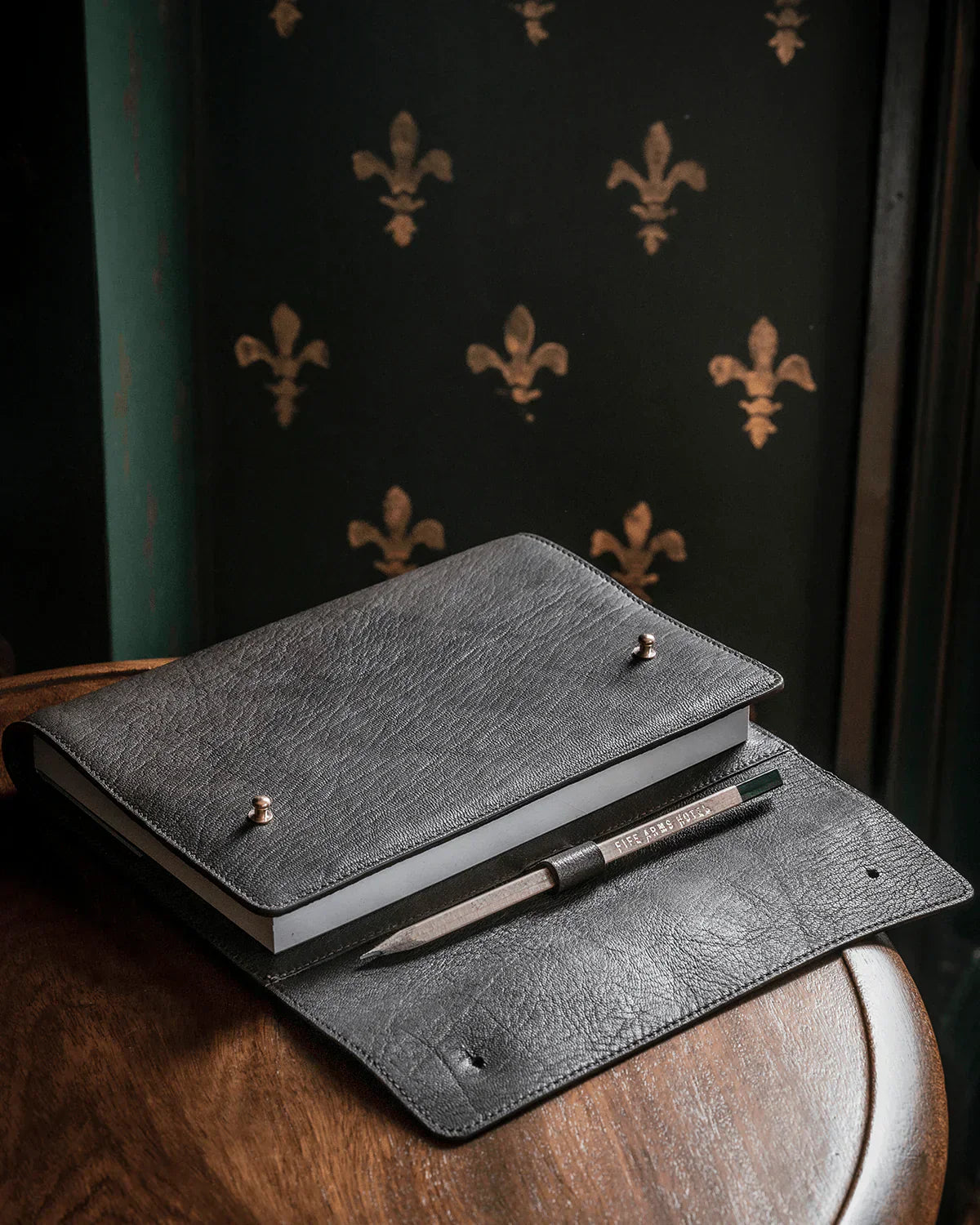
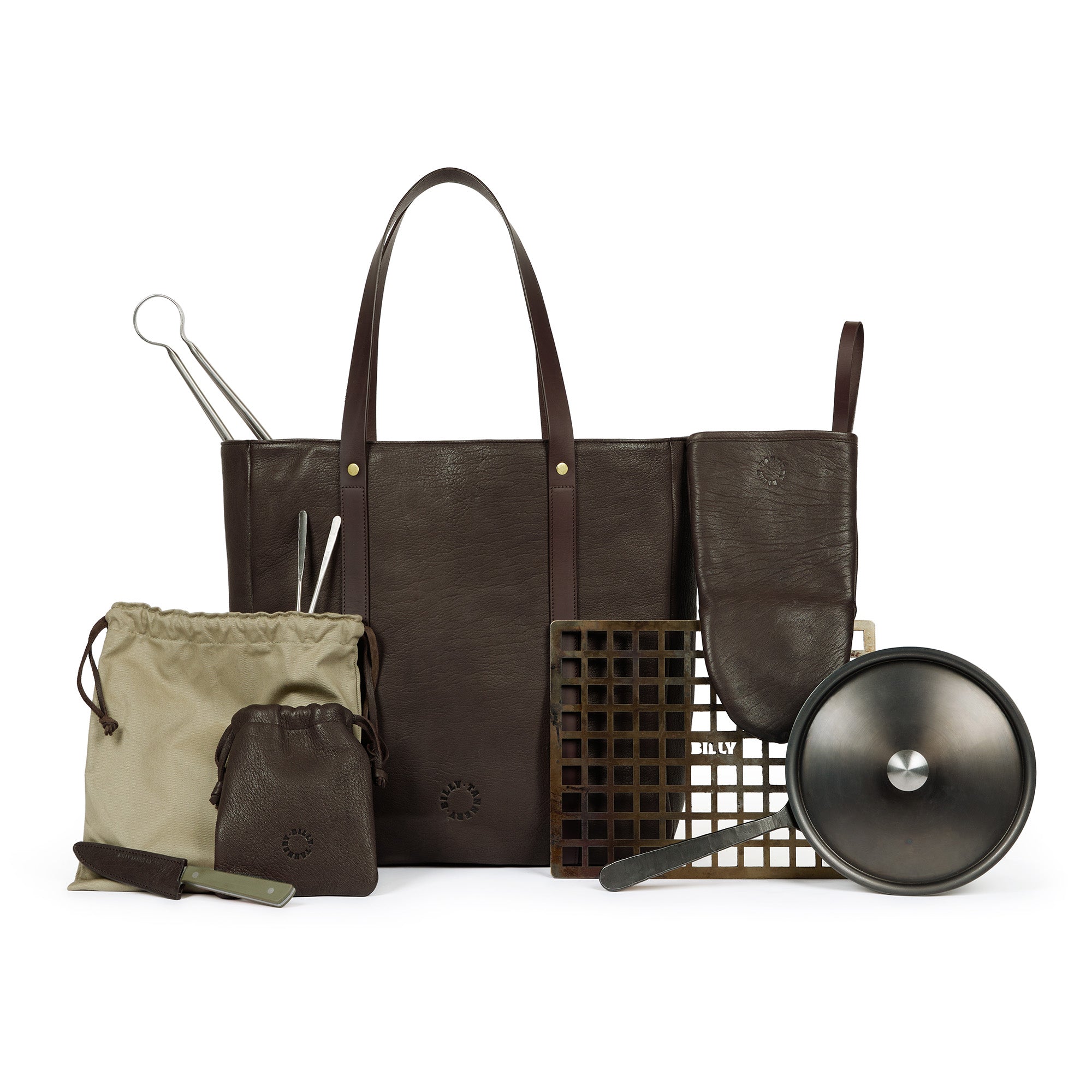
Billy Tannery operates as a micro-tannery on a Midlands farm, closing the loop with a British supply chain from farm to tanning to manufacturing. By working with underused goat and deer hides from UK agriculture, it turns local waste into finely finished material, a practical expression of the circular economy. Small batch vegetable-tanned production gives tight control over thickness, temper and grain, which matters for hospitality case goods like menu covers, placemats and coasters. For specifiers, three quick wins are to request provenance documents for each batch, define abrasion and lightfastness targets for front-of-house items, and run a short pilot in service before rolling out. The result is leather that looks refined on the pass or bar, and stands up to daily handling without losing character.
Vegetable-tanning and its environmental benefits
Vegetable-tanning uses natural tannins from bark extracts rather than heavy metals, creating leather that is biodegradable and develops a nuanced patina. Wastewater is cleaner, worker exposure risks are lower, and the slower process encourages considered production rather than volume at any cost. Billy Tannery explains the method clearly in this guide to vegetable-tanned leather. For hospitality, this translates into tactile surfaces that age gracefully on touchpoints, from key wallets to bill presenters. Practical upkeep is simple, an occasional wipe and a light natural balm extend service life, which strengthens both sustainability metrics and the guest experience.
The Environmental Footprint of Leather Goods
What drives leather’s footprint?
For hospitality case goods, leather’s environmental story starts long before a menu cover reaches a table. The biggest concerns sit upstream with cattle ranching, where poorly governed supply chains can link hides to deforestation, biodiversity loss and higher emissions. Downstream, tanning can be resource heavy; traditional processing is water intensive and can pollute if effluent is not treated properly. Studies report tanning can consume up to 150 litres of water per square metre, with risks tied to chromium salts and other chemicals if mismanaged, as outlined in this ShunWaste analysis of leather’s environmental impacts. Waste is another hotspot, from offcuts to sludge, which is why traceability, wastewater treatment and responsible chemistry are non-negotiables for specifiers.
Circular economy principles that actually work
A circular approach tackles waste at design, production and end of life. Start with precision cutting and nesting to minimise offcuts; then turn unavoidable trimmings into coasters, key fobs or sample swatches for designers. Build for longevity and repair, because well-made leather develops a patina that looks better with service, reducing replacement cycles in busy dining rooms. Globally, upcycling hides already diverts an estimated 7.3 million tonnes from landfill each year, evidence that leather can be a powerful waste diversion strategy when handled responsibly. Actionable checklist for buyers: ask for cut‑yield data, a take‑back or repair programme, chrome‑free finishing options, and proof that packaging and boards for case goods are recycled or FSC certified.
Billy Tannery’s micro approach, lower impact
Billy Tannery’s micro-tannery in the Midlands applies these principles at source. Goat and deer hides are rescued from the British food chain, then vegetable‑tanned with bark extracts, avoiding chrome and creating biodegradable, durable leather. A short British supply chain, farm to tanning to manufacturing, keeps transport emissions low and gives hospitality teams full traceability for bespoke runs of menu covers, placemats and branded details. Small‑batch, on‑demand production reduces overstock and waste, while consistent grading helps maximise cut yield on each hide. The result is case goods that wear in, not out, extending service life, cutting replacements and aligning luxury feel with a measurable reduction in environmental impact.
Innovations in Sustainable Hospitality Design
Key trends shaping sustainable case goods
Sustainability is moving from mood board to spec sheet, and hospitality case goods are leading the charge. Biophilic design is no longer a buzzword, with reclaimed timbers, stone and clay finishes chosen for warmth, durability and a lighter footprint. Modular, multi-functional pieces are gaining favour because they flex with changing guest needs and cut material use. Think credenzas that convert to breakfast buffets or bench seating with hidden storage, as seen across 2026 FF&E trend reports. Smart integration is maturing too. Wireless charging, discreet power management and sensor-led occupancy data are now designed into furniture, improving guest experience and back-of-house efficiency, a trend flagged in hotel FF&E guidance for 2026. With the luxury leather goods market around $100 billion and growing roughly 5% CAGR, design choices that deliver longevity, repairability and a timeless look feel like prudent hedge against churn.
Recycled and ethically sourced materials on the rise
Procurement teams are writing recycled content and ethical sourcing into briefs. Reclaimed wood, recycled metals and low-VOC finishes sit alongside materials that channel a circular economy. Leather remains a compelling option where touch and longevity matter. As a byproduct of the meat industry, turning hides into case goods diverts waste, with global leather production helping avoid about 7.3 million tonnes of landfill each year. For hospitality, that translates into menus, placemats and headboards that wear in, not out, developing a patina that reduces the urge to refresh. Actionable steps include specifying FSC-certified timber, vegetable-tanned leathers with water-based finishes, take-back clauses with suppliers and design-for-disassembly to keep components in circulation.
Billy Tannery’s micro-tannery approach
Billy Tannery takes a grounded route to sustainable hospitality design. Working from a micro-tannery on a Midlands farm, it processes British goat and deer skins that would otherwise be wasted, then vegetable-tans them using bark extracts. A tight British supply chain, from farm to tanning to manufacturing, reduces transport emissions and improves traceability. For hospitality case goods, that means bespoke menu covers with replaceable inserts, placemats that age gracefully, and accessories cut for service resilience. Designers can brief for goat leather where a fine, hard-wearing grain is needed or deer suede when a softer, tactile finish is desired. Continuous investment in water treatment and small-batch control backs the sustainability story with measurable practice. The result is luxury that aligns with ethics, and pieces that support both brand storytelling and operational longevity.
The Intersection of Tradition and Innovation
Craft meets modern hospitality aesthetics
Hospitality case goods in 2026 lean into material honesty, where wear is a feature not a flaw. Designers are specifying stitched leather, honed stone and local aggregates that record use with grace, echoing 2026 hospitality design trends around resilience and patina. Pair that with the Industrial Luxe look, metal frames, darker palettes and rich timbers, and you get interiors that feel both refined and service ready, a sweet spot for premium hotels and restaurants. The Industrial Luxe trend keeps case goods grounded and hard wearing, while leather adds tactility where guests linger, on menu covers, placemats and check presenters. With luxury leather goods a $100 billion market growing about 5% over five years, investing in materials that age well is not just aesthetic, it is commercial.
Quality through a micro-tannery lens
Billy Tannery’s British Supply Chain, farm to tanning to manufacturing, gives specifiers rare traceability and control. Working as a micro-tannery means small batches and hands-on finishing, so colour matching across a run of 200 menu covers or 80 in-room folders is consistent, yet the natural grain remains. The process is vegetable-tanned using bark extracts, which produces robust fibres and easier-to-treat wastewater; on-site treatment keeps impact low and residuals can be composted or safely irrigated on surrounding grassland. This scale lets us tune temper and thickness for use, firmer for placemats that need flatness, slightly softer for wrap covers that must flex at the hinge. For rollouts, specify batch-coding on labels so reorders slot seamlessly into existing sets. More on our approach here: Britain’s first leather micro tannery.
Longevity from traditional methods
Traditional vegetable tanning takes weeks, not hours, and the outcome shows in service life. Fibres bind tightly to tannins, so leather holds shape, resists stretching and develops a rich patina that aligns with durability-led design. In high-traffic hospitality, this means case goods that look better after thousands of covers, not worse. Leather also supports the circular economy by diverting waste, contributing to a 7.3 million ton reduction in global landfill annually. For spec sheets, choose vegetable-tanned finishes for touchpoints, request replaceable straps or corners, and plan light maintenance, a periodic balm and sensible cleaning, to extend life further.
Patina: Beauty That Ages Gracefully
What patina really is
Patina is the quiet magic of good leather, the gradual build-up of colour, depth and sheen that comes from real use. It is not a surface finish but a transformation within the material as sunlight, moisture and skin oils interact with the tannins and fibres. In vegetable-tanned leather, tannin molecules react to light and humidity, subtly darkening tones over time while compressed fibres increase reflectivity, which creates that coveted glow. This is why full-grain goat and deer leather, with its open pores and pronounced grain, develops such distinctive character in daily service. For a deeper dive into the chemistry behind this, see the science of leather patina.
Why patina adds value in hospitality
In hospitality case goods, patina is more than a look, it is a signal of authenticity and longevity. A well-aged menu cover or bill presenter reads as quality to guests, and because it improves aesthetically with use, it supports slower replacement cycles. That matters in a market where luxury leather goods top roughly $100 billion and are forecast to grow about 5 percent annually, as buyers expect both beauty and durability. There is also a sustainability dividend. Leather upcycling diverts an estimated 7.3 million tonnes from landfill each year, and when operators keep pieces in service longer because they look better with age, it advances circular economy goals while protecting budgets.
How Billy Tannery pieces age
Billy Tannery’s microtannery approach, rooted in a British supply chain from farm to finishing, sets the stage for standout patina. Vegetable-tanned goat and deer leather, treated with bark extracts, starts with a rich hand and pronounced grain that records use honestly. In practice, that means menu covers deepen from conker to espresso, placemats mellow to a soft satin, and check presenters pick up a refined sheen along high-touch edges. To encourage even ageing, rotate items across stations, wipe with a barely damp cloth then let them dry naturally, and condition sparingly twice a year with a neutral balm. Keep lighter shades out of prolonged direct sun, avoid heat sources, and buff scuffs with a soft horsehair brush so your pieces age gracefully rather than prematurely.
Conclusion: Crafting a Greener Future
Sustainable hospitality case goods are no longer a nice-to-have, they are a strategic choice that guests notice and owners can measure. Leather, used as a by-product, supports a circular economy and helps divert millions of tonnes of waste from landfill each year. The wider context is promising too. The luxury leather goods market sits near $100 billion with around 5% projected CAGR, and brands are extending into hospitality to create richer experiences, which raises the bar for material quality and provenance market outlook, luxury brands entering hospitality. For specifiers, vegetable-tanned goat or deer leather brings durability and a calm, natural patina that reduces replacement cycles, which is the quietest form of sustainability. A British supply chain, from farm to micro-tannery to workshop, adds traceability that procurement teams can stand behind.
Turning intent into action is straightforward. Specify vegetable-tanned leather in the schedule, request micro-tannery provenance, and ask for material passports with batch-level traceability. Pair leather with FSC-certified woods and recycled metals to keep the whole palette aligned with current hotel furniture trends. Design for repair with stitched panels, screwed fixings and replaceable inlays on menu covers or headboard accents, then set a care plan using neutral balm to extend service life. Close the loop by upcycling offcuts into coasters or key fobs for branded merchandise, and pilot these choices in a sample room to track wear, cleaning time and guest feedback over 90 days. Do this well and you elevate touchpoints, lower total cost of ownership and craft a greener future one table setting at a time.
Blog posts