


Whilst you can source leather goods from all corners of the globe, the quality and authenticity of these products will vary. There are certain countries with standout regions that carry a reputation for their production of world-class leather.
Whether you're looking for a handmade leather bag, wallet or everyday accessory, knowing what to look for can help you choose products that will last for years. The best leather goods aren't defined by price alone, but by the quality of the leather, the craftsmanship and the transparency of the people who make them.
Here we explore some of Europe's most celebrated leather-making regions, what makes them famous and how that knowledge can help you recognise quality when buying handmade leather goods.
UNITED KINGDOM
The UK is a spearhead for handmade leather goods, thanks to its expert manufacturers and technical specialists. British craftsmanship dates back centuries, with many traditional leather-making skills still used today.
Today, many of Britain's finest leather makers continue to produce in small workshops rather than large factories, prioritising traditional techniques, careful material selection and quality over volume. For buyers looking for handmade leather goods in the UK, these independent makers often offer far greater transparency around where their leather comes from and how each product is made.
The Midlands is one such region renowned for its production of quality leather. Walsall and Northampton are areas with a deep leather history, from saddle and harness making in the 1900s, to the custom leather goods made today. Leather still contributes significantly to the economy here. The recently established Walsall Leather Skills Centre is a training workshop that empowers young people to develop new skills, and continues to support the long-history of leather businesses in the town.

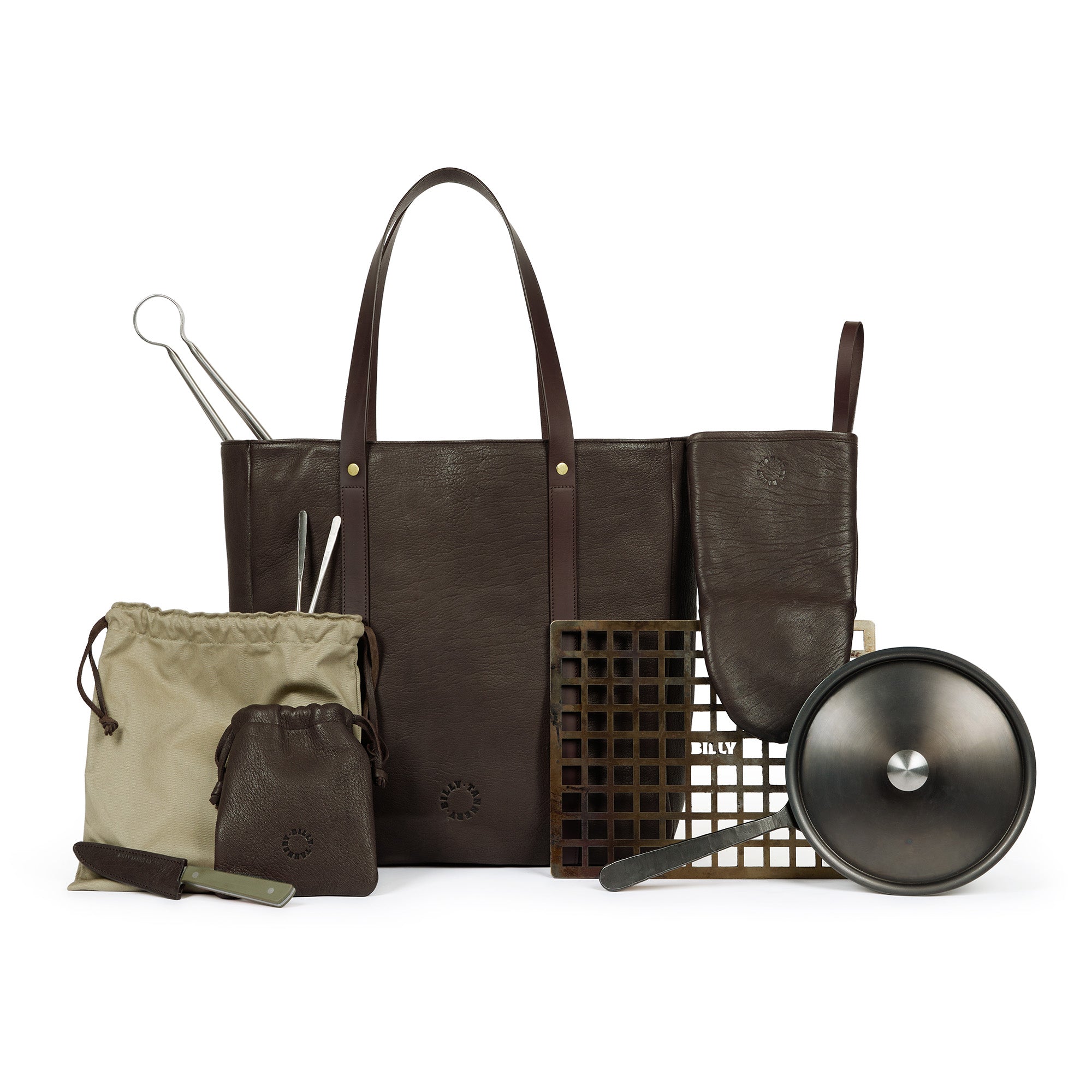
At Billy Tannery our handmade leather products are produced in both the Midlands and Somerset - another region celebrated for quality leather. Yeovil is the home of leather glove making, and where global fashion-brand Mulberry was first established; its name inspired by the mulberry trees the founder Roger Saul used to pass each day on his way to school. This attention to detail is something we apply to our sustainably-made British leather products, which we produce only in small batches so we never compromise on quality. Like the regions they come from, our leather is distinguished, with a strong focus on traditional British craftsmanship.

ITALY
Italy is one of the fashion capitals of the world, characterised by its luxury products and legendary fashion houses; Versace, Prada, Armani and Valentino, to name a few. It’s the unique Italian style and impeccable attention to detail that’s earned the country its reputation as a producer of world-class leather. The beautiful city of Florence is one such place, steeped in tradition, with a leather history that dates back thousands of years. It’s also the city that Gucci propelled to fame when he began designing handmade leather goods for international clientele back in the 1920s.
Florence has its own school of leather, Scuola del Cuio, where you can watch experts and students at work. They’ll usually be handling material from Italy’s famous Tuscan tanneries, just outside the city. You can discover everything in Florence from the leather in boutique high-end stores to the custom-made pieces from independent sellers. Be sure to visit San Lorenzo Market which has a huge variety of Italian handmade leather goods including bags, suitcases, clothing and accessories.
Italian leather is particularly associated with luxury fashion, but as with leather produced anywhere in the world, craftsmanship and material quality ultimately matter more than the country of origin.

SPAIN
With its impressive cultural heritage, Spain is a country well-known for the production of quality handmade leather goods. It boasts large numbers of reputable international brands, such as Manolo Blahnick and Lowe, with emphasis on traditional craftsmanship, independent makers and bespoke design. In particular is the region of Ubrique, a small mountain town in Cadiz, where the history of handmade leather goods goes back a long way. Leather production has been taking place here since the Roman era. However, it was during the 19th century Industrial Revolution that Ubrique began to really make a name for itself, with the arrival of immigrants from Southern Italy cementing the leather trade in the town.
Today, world famous designers such as Louis Vuitton, Gucci and Chanel all commission pieces from the workshops of Ubrique; despite its tiny population, over 70% of Spain’s leather goods originate here. The town’s world-class techniques have been passed down through the generations but remain secret to only the locals of Ubrique.

FRANCE
France is one of the world’s largest exporters of unprocessed leather, with calf leather in particular making it a leader in this sector. Like Italy, it’s a global fashion emblem, with names such as Hermès and Louis Vuitton starting their own leather-journey in Paris. These leading designers have achieved notoriety through their line of products, much of which is rooted in the quality of the handmade leather goods they produce.

Louis Vuitton started as an apprentice for Monsieur Marecha, a successful box maker in Paris, where he honed his skills as a trunk maker. He then went on to produce his own collection of leather trunk cases which have since achieved iconic world status. Hermès founded his company in 1837, originally as a harness workshop in Paris, then began to produce leather bags for riders to carry their saddles in. From there, the company’s fashion status grew. Hermès is now ranked as one of the world’s biggest luxury brands with a value of over £30billion, followed closely by Louis Vuitton. Today, with over 130,000 people employed in the leather-making industry, and around 45 tanneries across France, it’s a country characterised by both reverent style and exceptional leather-skills.
Can you buy quality leather goods online?
Buying handmade leather goods online has never been easier, but it's worth looking beyond beautiful photography. Reputable makers should be transparent about where their leather comes from, how it's tanned and where their products are made. Close-up images, detailed product descriptions and information about the people behind the brand can all help you buy with confidence.
What to look out for when buying handmade leather goods
There are lots of wonderful leather products to choose from but many fakes dominate the market, as well as low-quality leather. Sometimes this isn’t always visible to the naked eye but from the look and feel you can usually identify the premium aspect of the leather you’re handling.
When buying handmade leather goods, look for:
- Full-grain leather rather than bonded leather
- Even stitching with no loose threads
- Burnished edges
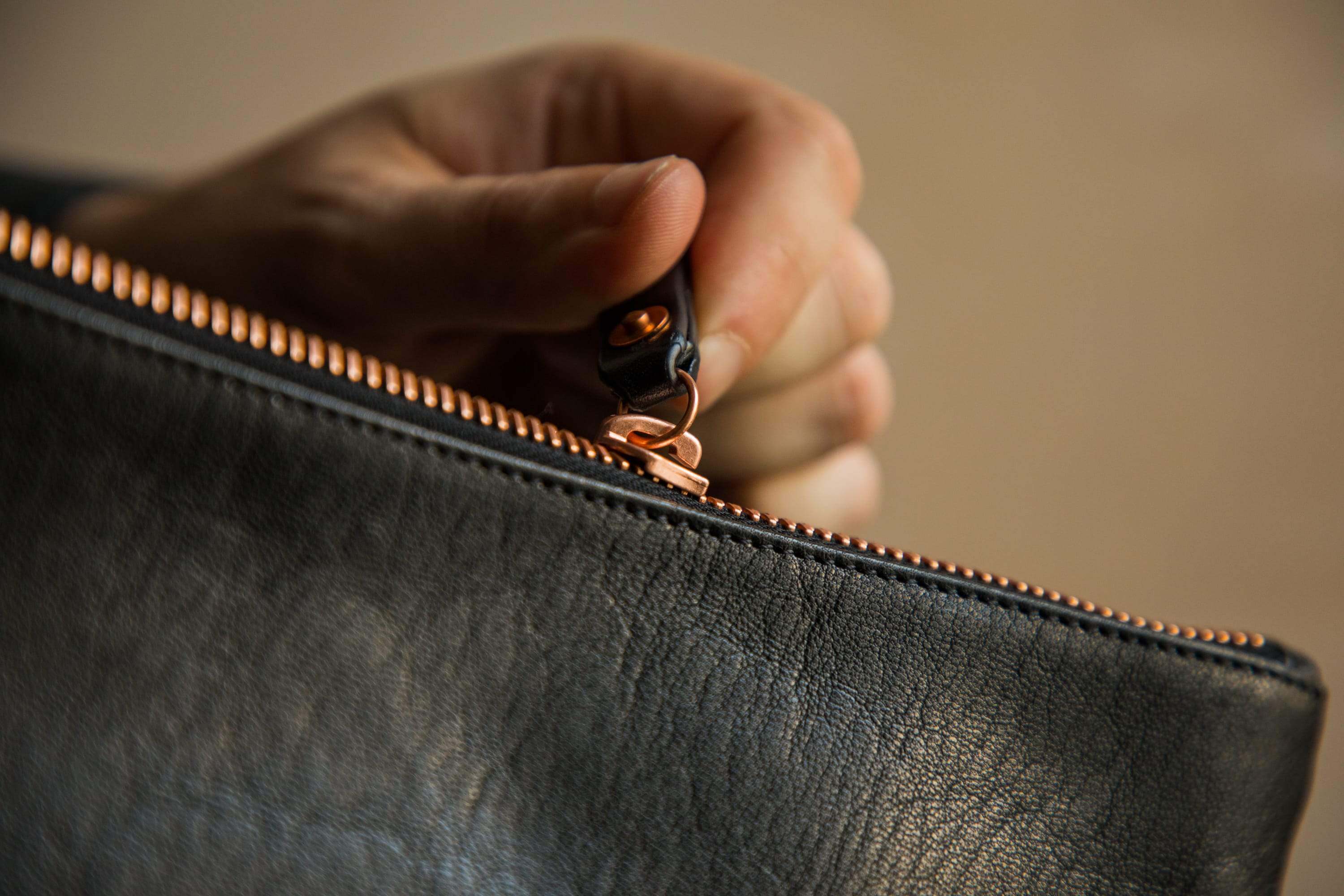
- Solid hardware and quality zips
- Transparent information about where the leather comes from
- Brands that can explain how and where their products are made
Learn more in our guide to what to consider when buying leather in the UK.
At Billy Tannery, we apply many of these same principles. Our products are handcrafted in small batches using full-grain leather, and we work closely with skilled makers in the Midlands and Somerset to ensure every piece reflects the quality and craftsmanship these regions are known for.
Discover our full collection of handmade leather products.

Which country makes the best leather goods?
Italy, the UK, France and Spain all have long histories of leather craftsmanship. Rather than focusing on one country, it's worth looking at the quality of the leather, the skill of the maker and the transparency of the brand.
Where can I buy high-quality handmade leather goods?
Independent makers and specialist leather brands are often a good place to start. Look for businesses that are open about where their leather comes from, how it's tanned and where their products are made, as these details are often a good indicator of quality.
Blog posts


Comments
Lucila Elliott said:
You forgot ARGENTINA, go to Buenos Aires and you will find the best shoes and purses in the world. Together with Italy, England and Spain.